
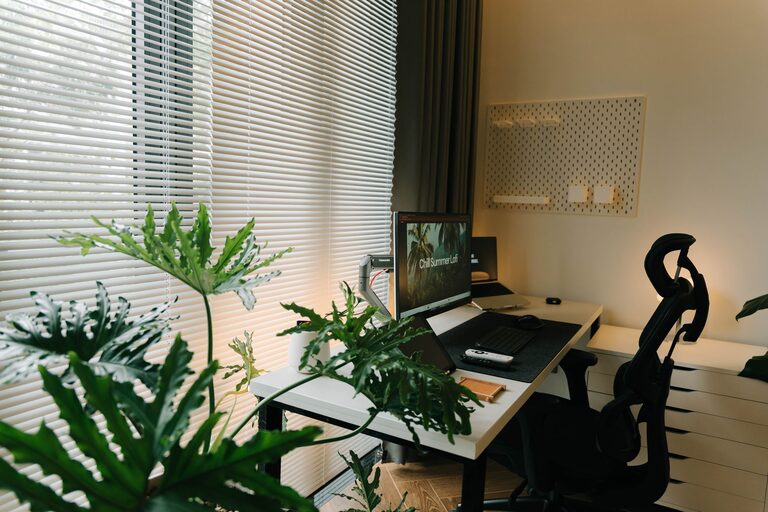
Working from home has become a common part of many people’s routines. Whether you’re a remote employee, freelancer, or entrepreneur, having a productive home office environment is key to maintaining focus and efficiency. Creating a space that supports your work habits can make a big difference in your daily performance and overall well-being.
In this blog post, we’ll explore practical tips that can help you set up and maintain a home office that encourages productivity and keeps you motivated throughout your workday.
1. Choose the Right Location
The location of your home office plays a crucial role in your ability to focus.
Find a Quiet Space
Select a room or corner away from distractions such as common living areas, the TV, or noisy appliances. A quieter space reduces interruptions and helps you concentrate better.
Consider Natural Light
If possible, choose a spot near a window. Natural light not only brightens your room but also helps regulate your mood and energy levels. Avoid glare on your computer screen by positioning your desk thoughtfully.
Assess Space Requirements
Make sure the area you pick has enough room for your desk, chair, and any necessary equipment. Having ample space helps avoid clutter and enhances comfort.
2. Invest in Ergonomic Furniture
Comfort is essential for long hours of work. Poor posture can lead to discomfort and reduced focus.
Ergonomic Chair
Choose a chair that supports your lower back and encourages good posture. Adjustable chairs allow you to customize height and tilt for maximum comfort.
Desk Height
Your desk should be at a height where your forearms are parallel to the floor when typing. This prevents strain on your wrists and shoulders.
Additional Accessories
Consider a keyboard tray, monitor stands, or footrests if needed. These can further improve ergonomics and help maintain a healthy posture.
3. Keep Your Workspace Organized
An organized desk helps reduce stress and saves time.
Declutter Regularly
Remove unnecessary items from your desk each day. Keep only the essentials like your computer, notebook, and a pen.
Use Storage Solutions
Use drawers, shelves, or filing cabinets to store paperwork and supplies. Label boxes or folders to find things easily.
Cable Management
Tidy up cords and cables with clips or sleeves. A clean, clutter-free surface promotes calm and efficiency.
4. Optimize Lighting
Good lighting is critical for reducing eye strain and maintaining alertness.
Combine Natural and Artificial Light
Use a mix of overhead lights and task lighting, like a desk lamp. Adjustable lamps allow you to direct light where you need it most.
Choose the Right Bulbs
Use LED bulbs that emit a soft white or daylight color temperature. Avoid harsh fluorescent lights, which can cause fatigue.
5. Minimize Distractions
Once your space is set up, take steps to reduce interruptions.
Set Boundaries
Inform family or roommates of your working hours to avoid unexpected disturbances.
Use Noise-Canceling Headphones
If noise is unavoidable, headphones can help block out background sounds and help you focus.
Limit Digital Distractions
Turn off non-work-related notifications on your devices. Consider apps that block distracting websites during work hours.
6. Personalize Your Space
Adding personal touches can make your workspace inviting and motivating.
Add Plants
Indoor plants improve air quality and provide a calming effect.
Incorporate Art or Photos
Visual elements that inspire you can boost your mood and creativity.
Use Color Wisely
Choose wall and decor colors that promote focus and calmness, such as soft blues or greens.
7. Establish a Routine
A consistent daily routine helps create a work mindset and increases productivity.
Designate Work Hours
Set clear start and end times to separate work from personal life.
Take Breaks
Schedule short breaks to stretch, hydrate, or take a walk. Breaks help prevent burnout and improve mental clarity.
Plan Your Day
Create to-do lists or use planning tools to prioritize tasks and stay on track.
8. Utilize Technology
Leverage tools and technology to streamline your workflow.
Reliable Internet Connection
A fast, stable internet connection reduces frustration during video calls or file uploads.
Productivity Apps
Calendars, note-taking apps, and project management tools can boost organization.
Backup Your Data
Regularly save and back up important work to avoid data loss.
—
Creating a productive home office environment is about combining comfort, organization, and good habits. By following these tips, you can design a space that fosters focus and helps you work efficiently, no matter where your job takes you. Remember, your home office is your personal workspace — tailor it to your needs and preferences for the best results.