





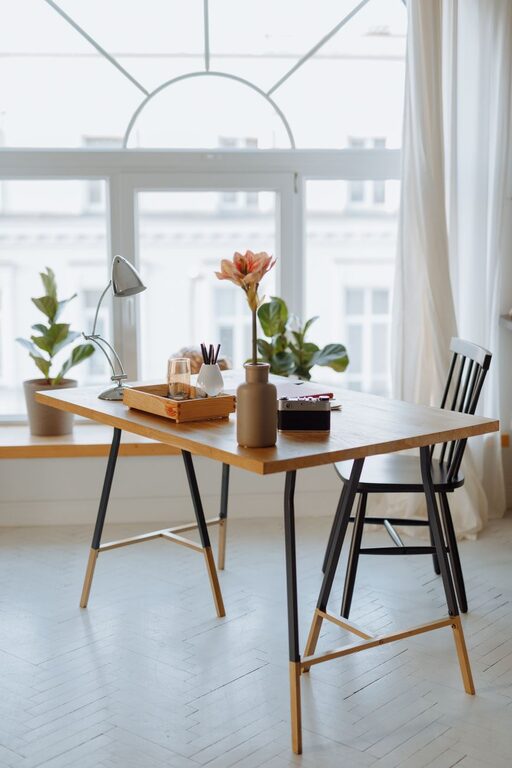
Creating a cozy and functional home workspace is essential for anyone who spends significant time working remotely or studying at home. A well-designed workspace can boost productivity, enhance comfort, and make your workday more enjoyable. Whether you have a dedicated room or just a small corner, these tips will help you set up an inviting and efficient environment.
Why a Cozy and Functional Workspace Matters
Working from home blurs the lines between personal and professional life. A carefully arranged workspace helps separate these areas mentally and physically. When your workspace is both cozy and functional, you are more likely to stay focused, experience less stress, and maintain better work habits over time.
Choosing the Right Location
Find Your Spot
Start by selecting a location with minimal distractions and enough space for your needs. Natural light is a big plus, so consider setting up near a window if possible. If noise is an issue, place your workspace away from busy areas like the kitchen or living room.
Consider Your Needs
Think about what tasks you’ll be doing most often. A computer-based job might require a large desk and good cable management, while crafting work could benefit from storage and easy access to supplies. Pick a spot that supports your primary activities.
Focus on Comfort
Invest in a Good Chair
Comfortable seating is crucial. Choose an ergonomic chair that supports your back and encourages good posture. If you spend hours sitting, this can prevent discomfort and potential health issues.
Proper Desk Height
Your desk should be at a height where your arms rest comfortably when typing or writing. Adjustable desks are great because they allow you to switch between sitting and standing.
Add Soft Elements
To make the space feel cozy, incorporate soft materials like cushions, rugs, or curtains. These elements absorb sound and add warmth, making the area inviting.
Lighting Matters
Maximize Natural Light
Natural daylight improves mood and alertness. Position your desk near a window, but avoid glare on your computer screen by adjusting blinds or curtains.
Use Layered Lighting
Combine task lighting (like a desk lamp) with ambient lighting to reduce eye strain. Choose warm-colored bulbs to create a relaxing atmosphere.
Organize for Efficiency
Declutter Regularly
Keep only the essentials on your desk. Clutter distracts and reduces productivity.
Smart Storage Solutions
Use shelves, drawers, or containers to organize supplies, documents, and tech accessories. Labeling helps you find things quickly.
Cable Management
Tidy cables with clips or sleeves. A clean setup not only looks better but also prevents accidents.
Personalize Thoughtfully
Add Plants
Greenery improves air quality and brings a touch of nature inside. Small plants like succulents or pothos are easy to care for and brighten your workspace.
Display Meaningful Items
Include a few personal objects, such as photos, artwork, or inspirational quotes. These can boost motivation without overwhelming the space.
Choose a Calming Color Scheme
Select colors that promote focus and calmness. Soft blues, greens, or neutrals create a soothing background.
Create Boundaries for Work-Life Balance
Define Your Work Time
Set clear working hours and communicate them to family or housemates to minimize interruptions.
Use Physical or Visual Barriers
If possible, use a room divider, bookshelf, or even curtains to separate your work area from living space. This helps you mentally switch between work and relaxation.
Incorporate Technology Wisely
Reliable Equipment
Invest in a good computer, monitor, and accessories that meet your work needs.
High-Speed Internet
Ensure your internet connection is stable for video calls and online work.
Noise Control
Use headphones or white noise machines if noise is a challenge.
Take Breaks and Move
Remember to stand up, stretch, and move around throughout the day. This prevents stiffness and keeps your energy up.
Final Thoughts
Creating a cozy and functional home workspace is a balance between comfort, practicality, and personalization. By paying attention to lighting, ergonomics, organization, and your own preferences, you can design a space that supports your productivity and well-being. Take the time to tailor your workspace, and you’ll enjoy better focus and a more pleasant work-from-home experience.




More Stories